At Corrective Chiropractic, we believe that providing the highest standard of care begins with a clear and accurate understanding of your body’s unique structure. That is why we utilize state-of-the-art Digital X-rays right here in our Raleigh, NC office. Unlike traditional film X-rays that require darkrooms and harsh chemicals, digital imaging technology captures high-definition images of your spine and skeletal structure instantly. This allows our team to see exactly what is happening beneath the surface, ensuring that any care plan we create is based on precise data rather than guesswork. For the active community of Raleigh—whether you are working in the tech hub of the Triangle or hiking the Neuse River Trail—having access to advanced diagnostic tools is a vital step toward maintaining your health.
Digital X-rays represent a significant leap forward in chiropractic diagnostics. They function similarly to a digital camera, where the image is captured and immediately available for viewing on a computer monitor. This technology provides exceptional image clarity, which is crucial for identifying even the smallest misalignments or structural issues that might be contributing to your discomfort. For patients in Raleigh seeking a modern approach to chiropractic care, this means less waiting time and a more interactive healthcare experience. We are committed to transparency, and digital imaging allows us to show you exactly what we see, fostering a collaborative relationship where you are fully informed about your health status. By integrating this technology into our practice, we aim to provide safer, faster, and more effective assessments for all our patients.
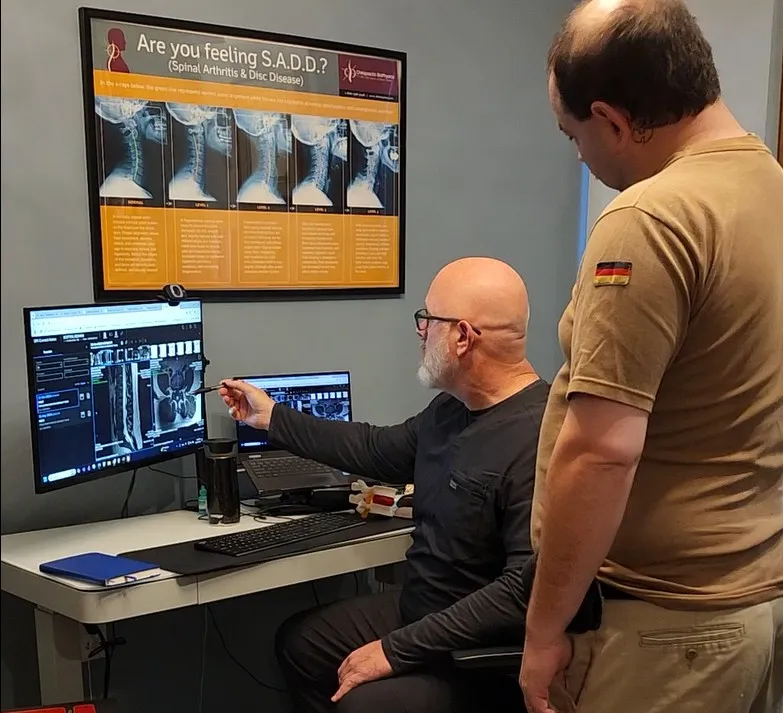 Many patients visit Corrective Chiropractic because they are experiencing discomfort but are unsure of the root cause. While an external examination tells us a lot, Digital X-rays allow us to investigate the structural integrity of your spine and joints. This imaging is particularly helpful for individuals in the Raleigh area who may be dealing with the physical toll of desk work or the strain of recreational sports. Understanding the alignment of the spine may help us address a wide variety of patient experiences and physical complaints.